
What You Need to Know
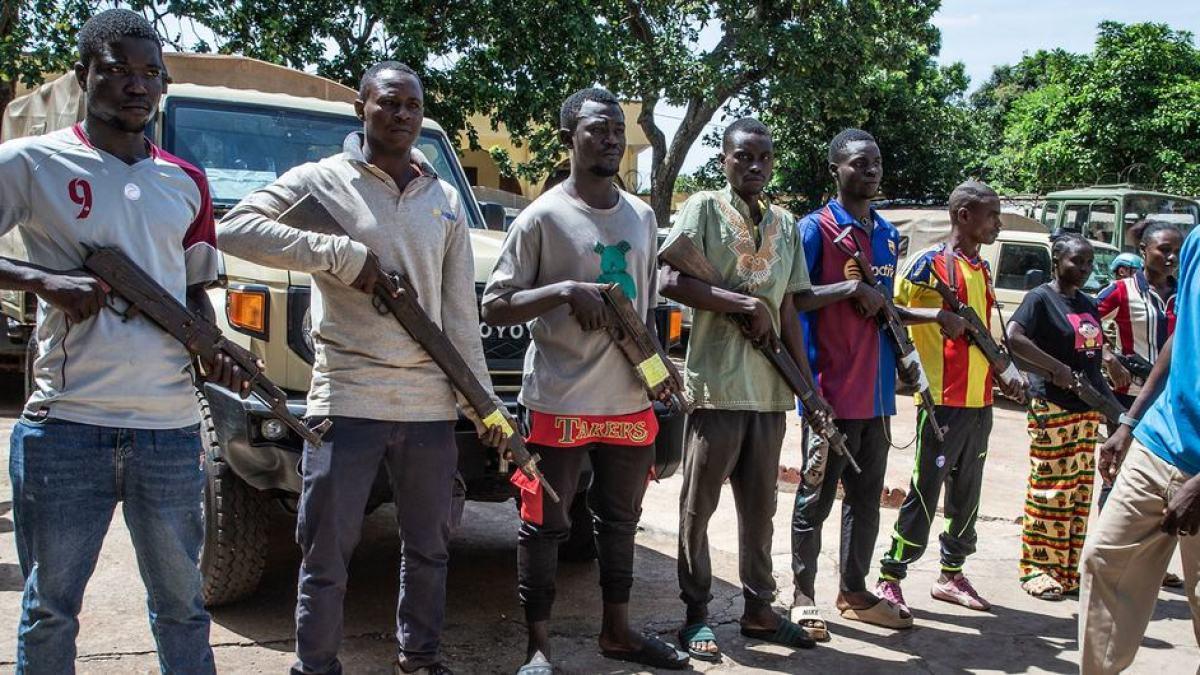
The AAKG militia, originally formed as a self-defense group in Central African Republic, has become a significant source of violence after being trained by the Wagner Group. Accusations of mistreatment and lack of compensation have led to their rebellion against the army, resulting in numerous civilian casualties and increased tensions in the region.
Africa. Reports from Central African Republic indicate that the AAKG militia, which originated as a self-defense group from the Zande community in the southeast, has transformed into a major source of tension and violence in the country.
After recruiting around 200 members in 2023 and receiving hasty training from Russian Wagner Group operatives, they were integrated into the regular army under Russian supervision.
However, official promises quickly dissipated, as the fighters accused the authorities of sending them to the front lines without adequate financial compensation for the risks involved, prompting them to rebel against the army and their Russian trainers.
According to a report published by the International Crisis Group at the end of November, AAKG members have caused the deaths of at least 200 people, mostly civilians, in addition to soldiers from the armed forces, Russian personnel, and even a United Nations peacekeeper.
Their attacks have also led to the displacement of thousands of civilians and heightened tensions among local communities, particularly with their repeated targeting of the Fulani tribe.
Background of the Conflict
The roots of the crisis can be traced back to ongoing confrontations between the army and its Russian allies against the ‘Unity for Peace in Central Africa,’ an armed group predominantly composed of Fulani fighters, which human rights reports accuse of committing widespread violations against the residents of the Haut Mbomou region in the southeast.
In this context, authorities believed that relying on a local militia could relieve pressure on the army, but the result has been counterproductive. The report adds that the militia’s danger is not limited to the interior, as it also operates in border areas with South Sudan, raising fears of violence spilling over into neighboring countries and threatening regional stability.
As the number of casualties and displaced persons increases, the humanitarian crisis in Central African Republic deepens, with residents caught between the hammer of armed groups and the anvil of uncontrolled militias.
Observers believe that the experience of AAKG reveals the fragility of the strategy of relying on undisciplined local militias and the catastrophic implications it may have for security and public peace.
The crisis in Central African Republic stems from ongoing clashes between the army and its Russian allies against the armed group known as the ‘Unity for Peace in Central Africa,’ predominantly composed of Fulani fighters. Reports indicate widespread human rights violations against the local population in the Haut Mbomou region. Authorities believed that relying on a local militia could alleviate pressure on the army, but the outcome has been counterproductive.


