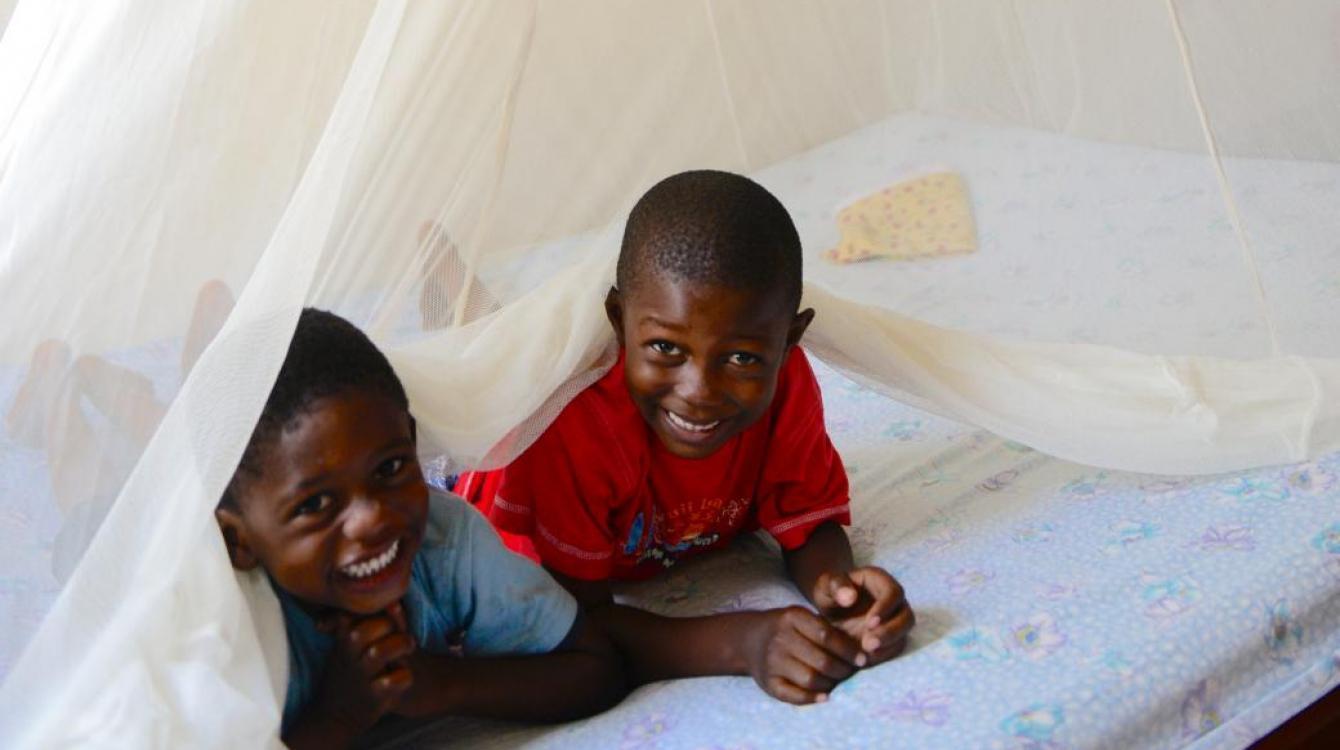
Africa-Press. Senegal is making positive progress in eliminating malaria, with 90% of health districts entering the pre-elimination phase of the disease. Authorities are seeking to mobilize 146.6 billion CFA francs (260 million dollars) to implement their national plan aimed at eradicating malaria by 2030.
The announcement was made during the “National Strategic Roundtable” held in the capital, Dakar, on Thursday, with the participation of government officials, development partners, private sector representatives, and civil society organizations, aimed at accelerating efforts to end one of the most widespread diseases on the African continent.
The Director General of Health in Senegal, Youssef Thiam, stated that the country has made significant progress in combating malaria in recent years, noting that 90% of health districts now report fewer than five cases per thousand inhabitants annually, placing them in the pre-elimination phase.
He added that these results reflect years of collaborative work between the government, health workers, local communities, and international partners, emphasizing that Senegal is close to achieving one of its key health goals for this decade.
Epidemiological data supports this progress; figures from the national malaria control program show a decrease in the incidence rate from 23 cases per thousand inhabitants in 2024 to 12 cases per thousand in 2025.
The number of deaths associated with the disease has also significantly declined, from 314 deaths in 2024 to about 150 in 2025, reflecting a clear improvement in prevention, diagnosis, and treatment efforts.
The coordinator of the national malaria control program, Professor Aliou Tiongane, explained that 73 out of 79 health districts have already reached the pre-elimination phase.
He pointed out that these indicators confirm that malaria has become more manageable compared to previous years, and achieving the goal of eliminating it by 2030 is possible if the current pace of interventions continues and the necessary financial resources are available.
Despite the national progress, some areas still represent major transmission hotspots, particularly in the southeast of the country.
Tiongane noted that the regions of Kolda, Kédougou, and Tambacounda report infection rates significantly exceeding the national average, sometimes reaching more than 100 or 200 cases per thousand inhabitants.
He indicated that these areas require more intensive interventions, including expanding prevention programs, improving access to health services, and enhancing community awareness campaigns.
Senegal’s progress has been praised by the World Health Organization, with the organization’s representative in Senegal, Dr. Nda Konan Michel Yao, stating that the country has made remarkable strides towards eliminating malaria.
He added that reaching the pre-elimination stage in over 90% of health districts is an important achievement, but stressed the need to maintain current investments and not to backtrack on efforts as Senegal approaches the final elimination of the disease.
Alongside the positive health indicators, authorities face a financial challenge in securing the necessary funding to implement the national strategic plan to eliminate malaria from 2026 to 2030.
The total cost of the plan is estimated at around 146.6 billion CFA francs, prompting authorities to issue a direct appeal to the private sector to increase its contribution to funding malaria control programs.
The Director General of Health emphasized that eliminating malaria is no longer just a health goal but has become an economic and social issue directly linked to productivity, human development, and improving the business environment.
He stated that the government hopes the private sector, along with mining, oil, gas, and other economic institutions, will contribute approximately 20% of the total funding required.
For his part, the head of the Economic Development Indicators Monitoring Observatory in Africa, Sheikh Omar Sy, urged companies operating in the country to include malaria control in their corporate social responsibility programs.
He explained that institutions operating in the mining, energy, and industrial sectors have the potential to play a significant role in improving health conditions in the areas where they operate, especially since malaria continues to affect labor, productivity, and local development.
Participants in the roundtable noted that the disease imposes significant economic burdens through decreased productivity, increased absenteeism, and rising health expenditures, as well as its impact on development in the most affected areas.
The meetings are expected to result in the adoption of an official commitment declaration among the various participating parties, along with the formation of a multi-stakeholder working group to oversee the mobilization of local resources.
A new roadmap will also be prepared to accelerate health investments and enhance field efforts, supporting Senegal’s endeavors to achieve the goal of complete malaria elimination by 2030, in one of the most ambitious health initiatives on the African continent.