What You Need to Know
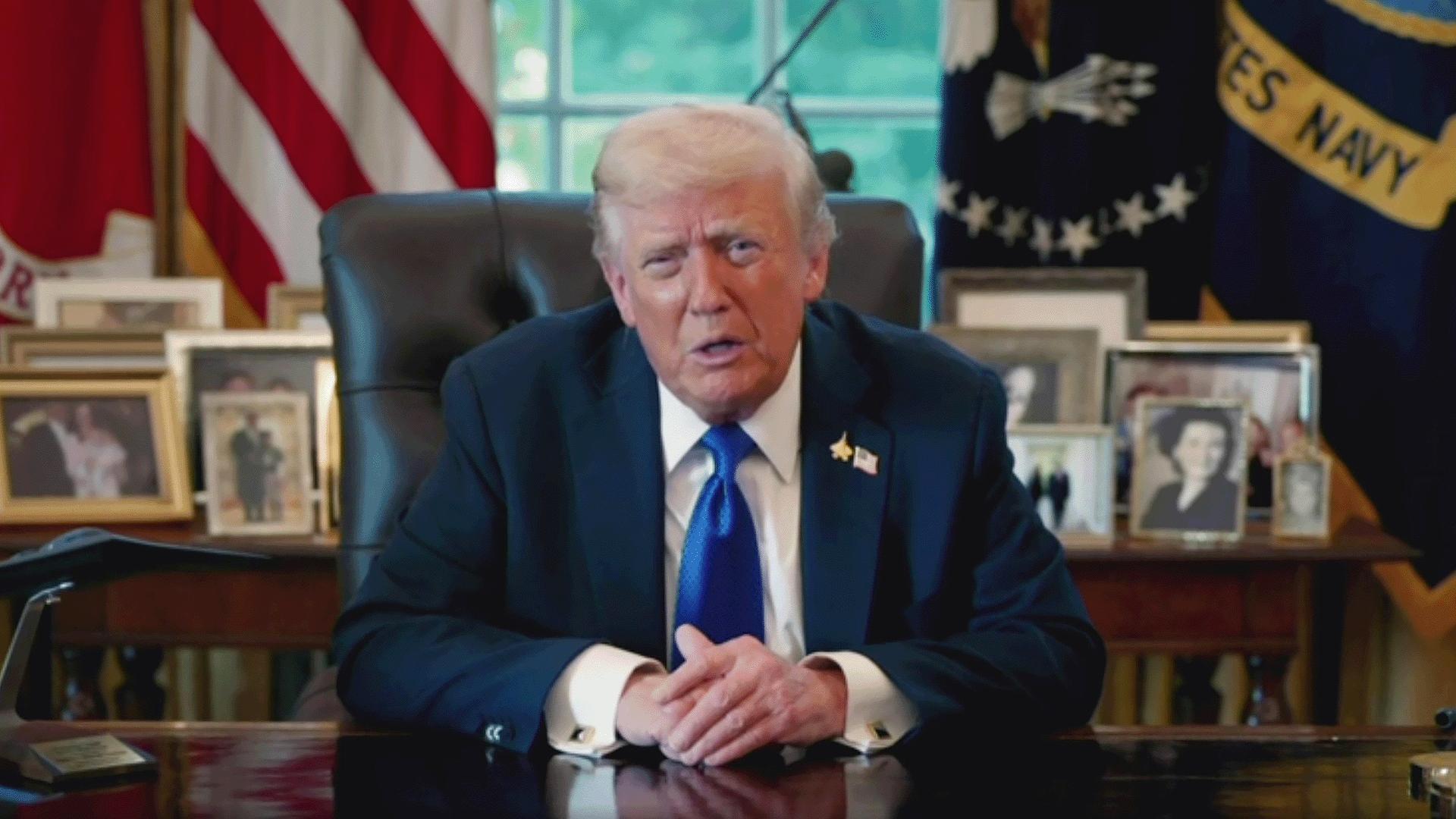
The White House announced that President Donald Trump has expanded the travel ban to include several African nations, sparking widespread debate over its implications for the continent. The ban, effective January, imposes full restrictions on citizens from Burkina Faso, Mali, Niger, and South Sudan, among others, while also affecting previously listed countries.
Africa. The White House announced that President Donald Trump has expanded the travel ban to include several African nations, sparking widespread debate over its implications for the continent.
The decision, effective January, imposes full restrictions on citizens from Burkina Faso, Mali, Niger, and South Sudan, in addition to Sierra Leone, which has transitioned from partial restrictions to a complete ban.
The ban also includes other African countries previously listed, such as Chad, Eritrea, Libya, Somalia, Sudan, and the Republic of Congo.
In addition to the African nations, the US administration has imposed a complete ban on Syria, Yemen, Afghanistan, Iran, and Laos, and has included holders of travel documents issued by the Palestinian Authority among the categories prohibited from entering the United States.
Partial restrictions have also been added for other African countries, including Nigeria, Tanzania, and Zimbabwe, as well as countries outside the continent like Cuba and Venezuela.
Washington justified this move by citing high rates of visa overstays, weak civil records, corruption, terrorist activity, and a lack of cooperation from some governments in accepting their deported citizens.
Exceptions and Restrictions
The US administration clarified that the ban will not affect permanent residents in the United States, nor many current visa holders, diplomats, or athletes participating in international competitions.
Individual exceptions will be available in cases deemed to be in the “national interest.” The White House confirmed that the restrictions will remain in place until the affected countries demonstrate “reliable improvements” in identity management, information sharing, and cooperation with US immigration authorities.
Background and Context
The decision follows days after the arrest of an Afghan suspect believed to be involved in the shooting of National Guard soldiers during the Thanksgiving holiday, an incident cited by the US administration to underscore its security concerns.
This expansion marks the third iteration of the travel ban initiated by Trump, following a similar order issued in 2017 during his first term, which sparked widespread protests before being upheld by the US Supreme Court.
The travel ban expansion follows a series of security concerns raised by the US administration, particularly after an incident involving an Afghan suspect linked to a shooting of National Guard soldiers. This decision marks the third expansion of the travel ban initiated by Trump, which first emerged in 2017 and faced significant public protests before being upheld by the Supreme Court. The administration cites issues like visa overstays and lack of cooperation from certain governments as justifications for the ban.