What You Need to Know
The United States has threatened to reduce its foreign aid to South Sudan unless the government lifts what it calls illegal fees on humanitarian shipments. The US, the largest humanitarian donor to South Sudan, accused the government of imposing excessive charges and obstructing UN peacekeeping operations, urging immediate cessation of these practices.
Africa. The United States has threatened to reduce its foreign aid to South Sudan unless the government lifts what it calls illegal fees on humanitarian shipments.
In a strongly worded statement titled “It Is Time to Stop Exploiting the United States,” the Bureau of African Affairs at the U.S. State Department accused the South Sudanese government of imposing “excessive fees on humanitarian aid shipments” and “obstructing United Nations peacekeeping operations.”
The Minister of Humanitarian Affairs in South Sudan did not respond to a request for comment.
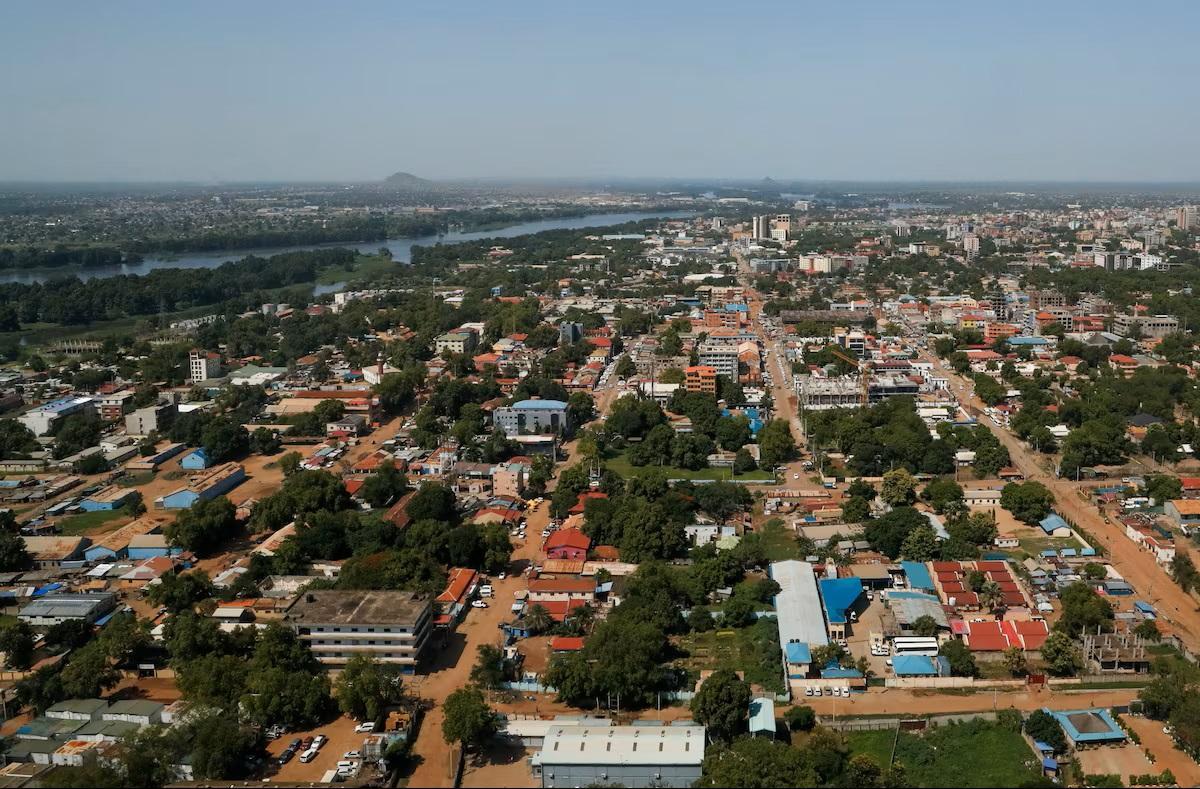
The United States is the largest humanitarian donor to South Sudan, which has a population of about 12 million and has been suffering from conflict since its separation from Sudan in 2011.
Foreign donors have repeatedly objected to attempts by authorities to collect taxes on humanitarian aid imports.
The U.S. statement noted, “These actions constitute blatant violations of South Sudan’s international obligations.”
It added, “We call on the transitional government to cease these practices immediately, and if it does not, the United States will begin a comprehensive review of its foreign aid to South Sudan, with the potential for significant reductions.”
Armed conflict continues in large parts of South Sudan since the end of the five-year civil war in 2018, which resulted in the deaths of around 400,000 people.
However, UN investigators stated in a report released last September that corruption among political elites is the primary factor behind the humanitarian crisis, with most of South Sudan’s population facing severe hunger levels.
Juba has rejected this conclusion, attributing its humanitarian problems to conflict, climate change, and disruptions in oil exports due to the war in neighboring Sudan.
Since gaining independence from Sudan in 2011, South Sudan has faced ongoing conflict and humanitarian crises. The country, home to approximately 12 million people, has struggled with the aftermath of a civil war that ended in 2018, which resulted in significant loss of life and widespread suffering. Foreign donors have repeatedly criticized the South Sudanese government’s attempts to impose taxes on humanitarian aid, exacerbating the already dire situation for its citizens.