
What You Need to Know
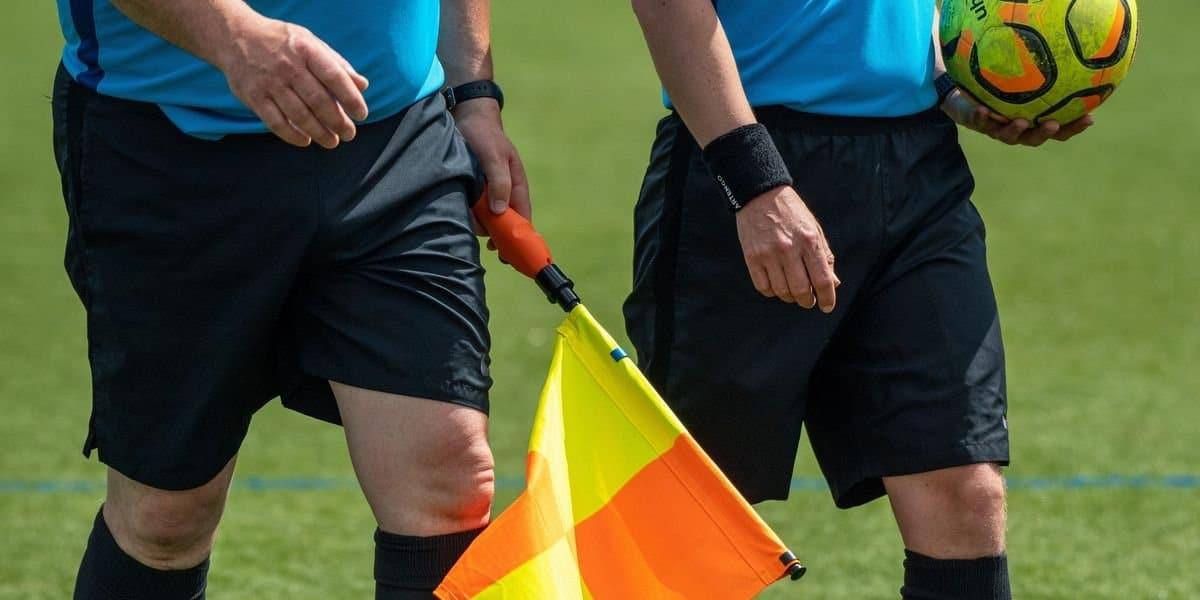
FIFA has announced new rules and technologies aimed at improving fairness in football, particularly by reducing time wasting. Key measures include mandatory recovery periods for injured players and the use of body cameras by referees. The integration of AI into refereeing is also on the agenda, with further details expected in January.
Africa. During a press conference just before the World Cup draw in the United States, Pierluigi Collina announced, on behalf of FIFA, a series of new rules and technologies. The former Italian referee aims to make the game fairer, particularly by limiting time wasting.
A notable measure is the introduction of a mandatory “recovery period.” Players receiving medical treatment on the field must remain off the pitch for two minutes afterward.
“This gives them time to recover,” Collina explained with a wink. This measure aims to combat simulation and prevent teams from wasting time with unnecessary treatment. No solution has yet been found for goalkeepers, who remain conspicuously down. “We are considering this.”
FIFA is also taking technological measures. Similar to the Club World Cup, referees will wear body cameras, allowing viewers to follow key moments from their perspective. Additionally, the video assistant referee (VAR) will instantly communicate offside positions to the assistant referee.
Collina also advocates for an expanded use of VAR. This would include reviewing interventions in cases of second yellow cards and incorrectly awarded corners. “During the fifteen seconds when defenders push forward, there is ample time for a VAR check,” he explained. He believes the game should not suffer from refereeing errors.
FIFA also aims to integrate AI into refereeing. The specifics of this integration remain unclear. Johannes Holzmüller, FIFA’s director of innovation, promises to provide more details on January 6. The final decision regarding these measures rests with IFAB, the governing body of football.
The use of technology in football has evolved significantly over the years, with the introduction of video assistant referees (VAR) marking a pivotal change in how the game is officiated. FIFA has been at the forefront of these innovations, aiming to enhance the integrity of the sport and ensure that decisions are made with greater accuracy. The ongoing discussions about AI integration reflect a broader trend in sports towards leveraging technology for improved performance and fairness.