
What You Need to Know
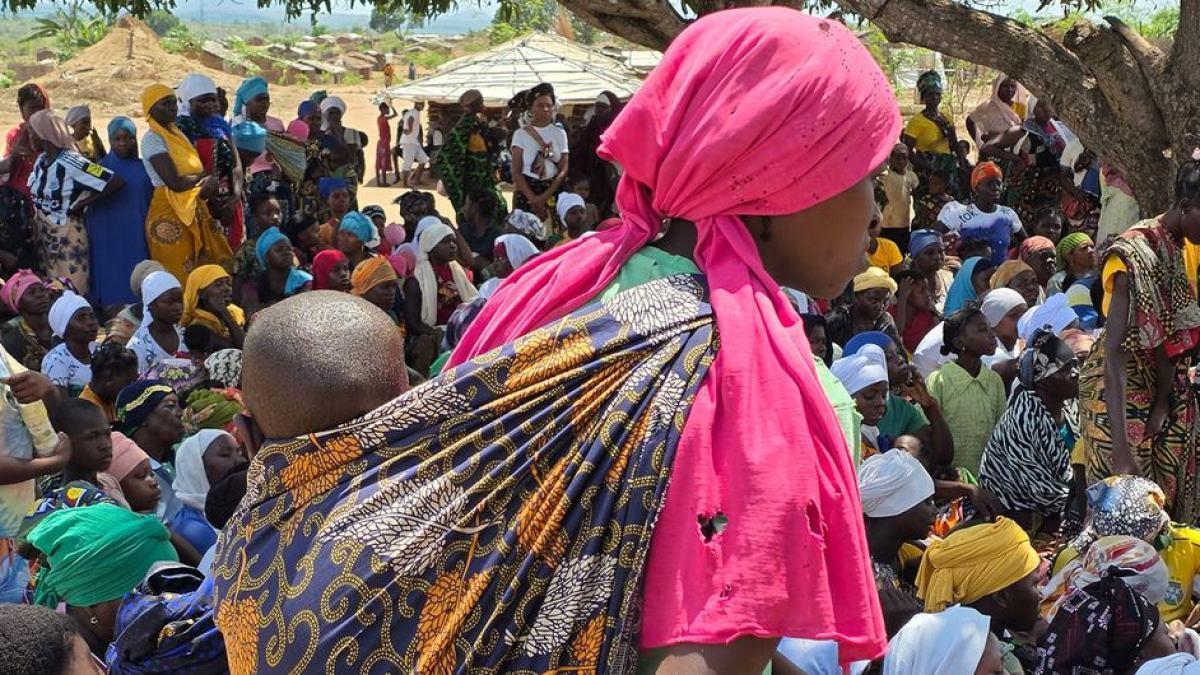
The United Nations has raised alarms about the escalating humanitarian crisis in northern Mozambique, where ongoing attacks by non-governmental armed groups have led to a significant displacement of people. Over 107,000 individuals have fled in recent weeks, bringing the total number of displaced persons to approximately 330,000 in the last four months, with more than 600,000 displaced since the
Africa. The United Nations has warned of the worsening humanitarian crisis in northern Mozambique, where ongoing attacks by non-governmental armed groups in the Nampula province have led to the largest wave of displacement this year.
According to the Office for the Coordination of Humanitarian Affairs (OCHA), more than 107,000 people have been forced to flee in recent weeks, raising the number of displaced individuals in the past four months to around 330,000. Since the outbreak of conflict in 2017, the total number of displaced persons has exceeded 600,000.
Paula Imerson, head of OCHA in Mozambique, stated that many families “have not had the chance to recover before they were forced to flee again due to attacks or fear of them.”
She noted that violence has forced families to move multiple times under harsh conditions, differing from the earlier “hit-and-run” tactics that characterized the beginning of the conflict in Cabo Delgado province years ago.
The situation has worsened with the country experiencing three cyclones in 2025, making local communities more vulnerable.
The United Nations indicates that children make up 67% of the displaced population, with reports of widespread violations including sexual violence and the separation or loss of children from their families.
Humanitarian partners are urging the international community to provide urgent funding to prevent further deterioration, warning that a lack of rapid support will lead to new waves of displacement in the coming weeks, as the cyclone season approaches, threatening to exacerbate the disaster.
The humanitarian situation in Mozambique has been deteriorating since the onset of conflict in Cabo Delgado province in 2017. Armed groups have intensified their attacks, leading to widespread displacement and suffering among local communities. The crisis has been exacerbated by natural disasters, including three cyclones in 2025, which have further destabilized the region and increased vulnerability among the population.
The United Nations and humanitarian partners are calling for urgent international support to address the needs of displaced families. With children making up 67% of those displaced, the situation is dire, with reports of severe human rights violations, including sexual and


